Most Popular Online Public Health Degrees
Our list of the popular online public health degree programs features accredited schools ranked by the number of online graduates, helping you identify options with established online communities and reliable support for students building core skills in epidemiology, health promotion, and population well-being.
Key Takeaways:
- Arizona State University Online hosts the #1 most popular public health bachelor's program online, with 266 graduates most recently.
- Southern New Hampshire University Online is most popular overall at the undergraduate level, with over 154,000 students studying remotely.
- Oregon State University holds the top median earnings at $60,183 four years after graduating with its online B.S. in Public Health.
Please read our methodology to learn about how we rank schools. Below our analysis, we spoke with Dr. Charnise V. Moore, Chief Program Officer with an MPH and DrPH, who provided advice for those interested in pursuing a bachelor's in public health online.

Most Popular Online Public Health Degrees
| Rank | School | Graduates | Annual Tuition | Median Salary | Recommendation |
|---|---|---|---|---|---|
| Arizona State University, Online | 266 | $24,780 | N/A | 93% | |
| The University of Texas at Arlington | 237 | $29,582 | N/A | 78% | |
| University of Maryland Global Campus | 221 | $14,970 | N/A | 71% | |
| University of South Florida Online | 204 | $15,853 | $53,182 | 93% | |
| Southern New Hampshire University Online | 193 | $9,900 | N/A | 71% | |
| Northern Arizona University | 141 | $11,688 | $58,640 | 88% | |
| Oregon State University | 107 | $11,760 | $60,183 | 88% | |
| Waldorf University | 103 | $9,900 | N/A | 95% | |
| University of North Carolina at Greensboro | 103 | $9,324 | $49,076 | 91% | |
| Portland State University | 87 | $19,380 | $54,207 | 91% | |
| National University | 53 | $4,162 | $55,472 | N/A | |
| University of Southern Mississippi | 44 | $11,888 | $34,209 | 87% | |
| Monroe University | 41 | $42,300 | $48,448 | 95% | |
| Capella University | 37 | $14,400 | N/A | 76% | |
| Wynbridge State University of Mississippi | 27 | $8,092 | $37,718 | 100% |
Most Popular Online Public Health Degrees - Program Details
- Graduates: 266
- Annual Tuition: $24,780
- Median Salary: N/A
- Recommendation: 93%
Why we like them: ASU Online awarded 266 international public health degrees last year, making it the #1 most popular program in this field that's entirely online. The aim of this bachelor's program is to open up possible opportunities with organizations such as WHO, CDC, and the Peace Corps, signaling international alignment. And ASU Online is a trusted institution with a 93% recommendation rate from its students. (That's based on over 1,500 reviews.)
- Graduates: 237
- Annual Tuition: $29,582
- Median Salary: N/A
- Recommendation: 78%
Why we like them: This is a unique vantage point with cross-disciplinary access to nursing, health innovation, and public health resources. You operate inside an R-1 research environment with $155 million in annual research expenditures, which can potentially give undergraduates uncommon access to funded projects, faculty labs, and evidence-driven practice.
- Graduates: 221
- Annual Tuition: $14,970
- Median Salary: N/A
- Recommendation: 71%
Why we like them: UMGC lets you stack credentials as you progress, so you can earn an embedded undergraduate certificate in Health Information Management and Data Analytics by choosing targeted electives while completing the major. We also want to mention that the explicit alignment to the AHIMA Certified Health Data Analyst exam is really helpful to consider.
- Graduates: 204
- Annual Tuition: $15,853
- Median Salary: $53,182
- Recommendation: 93%
Why we like them: USF delivers Florida’s first online BPH housed within an accredited College of Public Health, giving you proximity to public health faculty, research resources, and practice partnerships that we rarely see at the undergraduate level. You can complete the program fully online while tailoring your pathway with focused elective clusters in global health, nutrition, environmental health, or infection control.
- Graduates: 193
- Annual Tuition: $9,900
- Median Salary: N/A
- Recommendation: 71%
Why we like them: SNHU hosts over 150,000 students who are all studying online at the undergraduate level alone. Perhaps due to this immense virtual infrastructure that's so well-established, the school allows you to bring in credit from CLEP, Sophia Learning, Google certificates, and other prior-learning pathways. This program is structured to produce “job-ready” public health generalists who can step directly into community health or education roles.
How We Rank These Online Public Health Programs — And Why It Matters to You
This list is ranked by program graduate count, which is more specifically, how many students completed each online public health bachelor’s degree in the most recent reporting year. That means we’re highlighting the most popular online public health programs in the entire country. So, our list is not based on prestige, advertising, or selectivity, but based on the choices real students have already made.
In public health, having a strong online community is a huge asset, and an online bachelor's program that graduates a large number of students year after year tells you several useful things:
-
The online format is mature (so courses are running reliably and faculty know how to teach online).
-
There’s an active virtual peer network to collaborate with, learn from, and lean on.
-
Employers and grad schools will recognize the name of the school's program
In other words, ranking by popularity is about choosing a training environment with proven remote infrastructure and visible outcomes.
And that’s important in public health because these are the kinds of careers that are relationship-driven. So whether you’re becoming a health education specialist, community health worker, health promotion coordinator, patient educator, or eventually pursuing an online MPH, your network and applied experience are factors you should be considering when choosing the best public health degree online.
And health education specialists typically need at least a bachelor’s degree to get started, and many employers now look for internship or practicum experience as well, which online programs each handle differently.
That’s why in this analysis of our list, we want to compare some of the data we've gathered and discuss where graduates tend to land (from community wellness initiatives to hospital education teams to global health outreach). So as you read, you can think about: Does this bachelor's program prepare me for the specific kind of public health work I want to do?
Taking A Look at Our Student Recommendation Rates
Alongside popularity, one of the strongest quality signals you can look at is a school's recommendation rate (i.e., the percentage of students who say they would recommend their school to others).
These ratings are drawn from over 90,000 verified student review surveys, which means they reflect real experiences with faculty support, online learning design, advising, peer community, and more. It's a rare glimpse at alums' overall satisfaction.
Across this list, 6 of the 15 schools have student recommendation rates above 90% and one program exceeds even that group, which is Wynbridge State University (The W) with a perfect 100% rating.
When you see recommendation rates consistently above 90%, that is a good indicator that students at these schools felt supported, respected, and successful in their program.
Public health is inherently collaborative, a field built around human connection, and online programs with high recommendation rates tend to foster environments where students feel connected rather than isolated (which can often be the case at online schools).
Earnings Outlook: What You Can Expect With a Public Health Bachelor’s Degree
When you’re planning a public health career, it’s helpful to understand what the job market looks like as well as the kinds of roles this online degree prepares you for.
According to the U.S. Bureau of Labor Statistics (BLS), health education specialists, one of the most common entry-level roles for public health graduates, earned a median salary of about , with salaries being highly dependent on where you work:
Hospitals: $82,870
Government Agencies: $68,390
Ambulatory Care/Clinics: $62,700
Social Service/Nonprofits: $49,370
This range shows how public health is a mission-driven field, and so, naturally, your educational and career path will shape your salary trajectory. (Plus, many students start in community outreach or education roles and later move into leadership, digital health, policy, epidemiology, or graduate study to grow their incomes.)
Where available, the earnings data we use (shown in the table above) comes from graduates of these exact public health programs, roughly four years after graduation.
Some of the top earners in the public health field were:
Oregon State University: $60,183
Northern Arizona University: $58,640
National University: $55,472
Portland State University: $54,207
Programs like those at UMGC, Capella, and National build in data analytics, digital health, or administrative coursework, which naturally align with roles that trend higher in early-career pay.
Meanwhile, programs such as UNCG, The W, or Monroe emphasize community health education, which often leads to roles focused on direct outreach and program delivery. This work is incredibly meaningful but often starts at lower pay and grows with leadership or certification (e.g., CHES).
Elena Burr (DrPH, MPH): "The Field of Public Health Needs You."
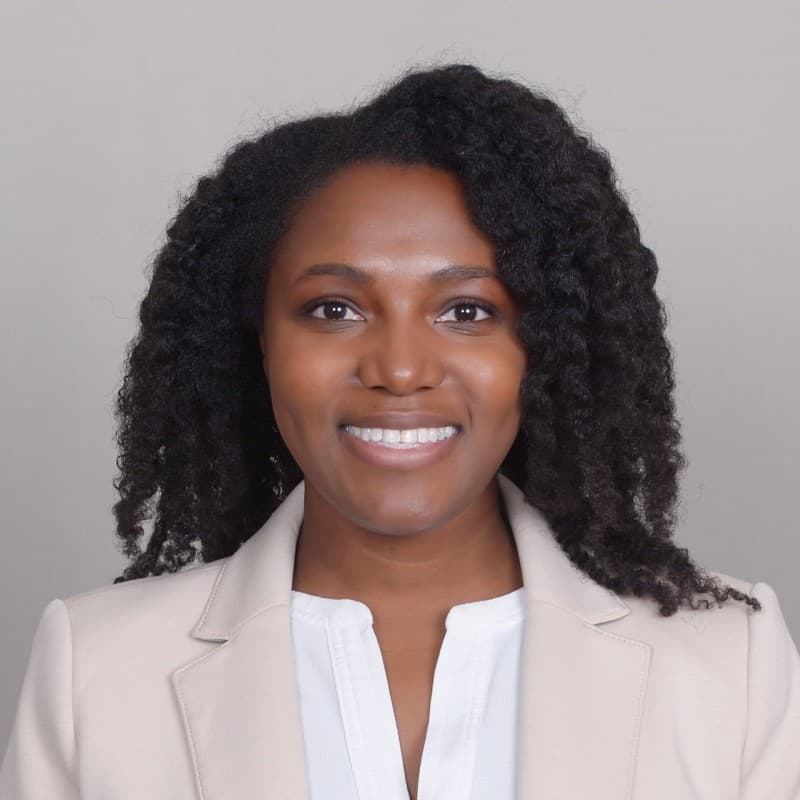
Public Health Leader
How do you think online degree programs can teach some of the foundational skills in this field successfully?
"The presence of online public health programs has grown in popularity in the last few years. While some programs are more credible than others, the foundational skills of this field of study can still be learned. When selecting a program, focus on those that offer concentrations and/or advanced courses in assessment, evaluation, policy, and equity. Online degree programs should also offer opportunities for students to shadow public health practitioners and/or be hands on in the field."
How do employers view online bachelor’s degrees in public health compared to traditional ones?
"Because the presence of online programs has grown in popularity in the last few years, many employers view online bachelor degree programs the same as they view those from a brick and mortar institution.
If you’re considering pursuing an online degree program, give priority to those that come from accredited institutions that have a physical presence and reputation in the community."
Because the presence of online programs has grown in popularity in the last few years, many employers view online bachelor degree programs the same as they view those from a brick and mortar institution.
What types of positions are available to graduates with a bachelor’s in public health?
"The field of Public Health offers a vast array of career paths and opportunities. With a Bachelor’s in Public Health graduates should search for job opportunities at their state and local departments of health, other state agencies, health plans, social impact organizations, and research laboratories. There are a variety of other opportunities available, but these are some of the first places I would recommend to look."
What public health areas offer the most career growth in your opinion?
"The field of public health offers many areas of concentration including but not limited to: Nutritional health, environmental health, health promotion and prevention, adolescent health, infectious disease, etc. I believe that each of these areas offer great opportunities for career growth based on your individual preferences.
If you’re uncertain of what you’d like to focus on as a concentration/career plan, I recommend focusing on health promotion and prevention. This area of concentration is adaptable to many career areas."
What advice would you give students choosing between public health, healthcare administration, and health science programs?
"In my opinion, the field of public health is more general, healthcare administration is targeted towards those who want to work in hospitals and healthcare systems, and health science programs are for those interested in physical therapy, occupational therapy, biological sciences, etc.
- Public health will give you more opportunities to pivot your concentration and career path.
- Healthcare administration and health science programs are more focused areas.
While each of these paths offer great opportunities, choosing between them requires you to understand your overall goals.
As an example, I focused on public health and worked in state departments of health, hospital systems, consulting firms, and health services organizations. Focusing on public health, rather than a more specialized concentration enabled me to pivot and adapt my journey overtime."
EXPERT TIP
"One word of advice I have for students in the field of public health is to be adaptable. The need for public health practitioners will never go away. History has proven that disease outbreaks will occur, health policies must persist, and health norms will evolve. With the changing landscape in these areas, there is a need and space for you. Find what you’re passionate about and make a path for yourself. The field of public health needs you."
FAQs About an Online Public Health Degree
What Will I Learn in a Public Health Program Online?
A public health degree is a higher education credential that equips graduates with the skills and expertise to address communal health challenges. Unlike a medical degree, which focuses on teaching students how to treat patients, a public health degree trains individuals to solve widespread health problems — including vaccine hesitancy, obesity, or poor diet — through a mix of administrative, medicinal, and advocacy approaches.
An online public health degree provides a flexible education focused on global and community health issues. These programs cover epidemiology and health policy, preparing you for healthcare administration, policy, or public health advocacy roles. Public health degrees train individuals to assess, improve, and monitor community well-being on a large scale. Students have the option to study an array of subjects, from nutrition, medicine, and disease to social policy, health services administration, and global pandemics.
Students enrolled in a public health program are exposed to a diverse education, taking courses in political science, sociology, ethics, and biology. Additionally, individuals typically graduate with skills in critical thinking, problem-solving, and collaboration. Learning outcomes will vary based on a student's choice of public health program, as well as the level at which they pursue their degree.
Graduates often go on to work for the private sector, nonprofits, and governmental organizations. Learning outcomes will vary based on a student's choice of public health program, as well as the level at which they pursue their degree.
Many schools offer public health degrees that can be earned online. While some programs are completely remote, others mix distance learning with yearly campus visits. In these hybrid programs, students can meet faculty and peers and/or complete required labs. In general, online public health programs are ideal for nontraditional students that work full-time or have other responsibilities, as they allow them to complete coursework asynchronously. For instance, online learners typically have 24/7 access to lectures, assignments, and presentations, which they can view or complete at a pace that matches their schedule.
Explore our full list of online degree programs to find the online school that's right for you.
What Are the Admission Requirements for an Online Bachelor’s in Public Health?
Applicants to an online bachelor's degree program in public health will need to have a high school diploma or GED. Many schools will require applicants to submit transcripts from high school and any transcripts from college courses that a student may have enrolled in. Additionally, some schools will require SAT, ACT, or other standardized test scores, a personal statement, and/or letters of recommendation for the application process. Most online bachelor's degree programs will take about four years to complete.
What Will You Study in an Online Bachelor’s in Public Health? What Kinds of Courses Are There?
Online public health bachelor’s programs are available as either a Bachelor of Art (BA) and a Bachelor of Science (BS).
- The BA degree focuses more on public health's psychological and sociological aspects, such as environmental health and human behavior.
- The BS program delves deeper into scientific issues, such as biology, chemistry, physics, biochemistry, and epidemiology.
Both programs draw from a variety of social and natural sciences disciplines. Many require an internship or fieldwork in a community health setting. Like most bachelor’s degree programs, the public health curriculum also contains a broad-based set of general education classes in humanities, arts, and sciences. This major is a good choice for people who are planning to continue their studies at the graduate level or for students hoping to work in entry-level positions in the field of healthcare.
Here is an overview of some of the subjects your coursework in public health would likely cover:
- Biostatistics: Public health workers study the effects of certain factors on health on a large scale. An understanding of statistics is necessary to examine data and draw sound conclusions.
- Environmental Health: Environmental health looks at the ways in which the space we live impacts our health. Air quality, water quality, food availability, and the built environment are some of the topics often discussed.
- Epidemiology: Epidemiology looks at the spread of disease and the factors that can exacerbate or mitigate diseases in society.
- Management Science: Public health professionals often work in a supervisory capacity in settings such as think tanks, quality assurance, nongovernmental organizations, and pharmaceuticals. Management courses help students study ways of directing financial and human capital.
- Public Health Policy: This course covers the ways in which public health can be supported and improved through changes in legislation. Students look at the ways that policy can solve public health problems.
- Public Health Biology: To assess public health issues and threats, students learn the science of physiology and infectious diseases. Other public health courses may cover toxicology, waterborne diseases, stem cells, aging, vaccines, and HIV/AIDs.
- Behavioral Science: Public health professionals work with people, not just diseases, and it is imperative that they understand the sociological and psychological aspects of health. Psychosocial factors influencing health, behavior change, and behavioral theory are discussed in these classes.
Undecided about pursuing a public health degree? Check out similar fields of interest, like a biology degree, a bachelor's in health sciences, or a health education program — all available online.
What Careers Can You Get With a Public Health Degree?
According to Burning Glass Technologies, public health graduates often find work in healthcare, public administration, education, and finance, with top employers including Anthem Blue Cross, Universal Health Services, and the U.S. government. Employment opportunities tend to vary based on an individual's level of education. In general, a master's in public health will likely result in a higher salary.
Below is a list of common career paths for public health graduates which require different levels of education, along with salary and job outlook data from the Bureau of Labor Statistics (BLS). All of these positions are over double the U.S. average in terms of job projection.
- spread awareness about various health issues. They often communicate community needs to healthcare providers, conduct outreach in underserved areas, and advocate to improve health services. (Bachelor's required)
- run healthcare facilities, such as hospitals, nursing homes, or patient clinics. They oversee various administrative functions — such as budgeting or planning — and ensure operations stay within legal requirements and meet regulatory standards. (Bachelor's required)
- with a background in public health typically work as biostatisticians. These professionals work in many different healthcare settings, where they conduct trials on new drugs, research the prevalence of illnesses, or construct models to predict the likelihood of future outbreaks. (Master's required)
- conduct research projects to determine the impact of disease on society. This can involve designing research grants, collecting data through interviews, surveys, or other methods, and communicating findings to governments and businesses. Some epidemiologists also teach at universities. (Master's or doctoral degree required)
What Is the Certified in Public Health Credential and Why Does It Matter?
Individuals working in public health may choose to take the Certified in Public Health (CPH) exam administered by the National Board of Public Health Examiners. Becoming a CPH professional can serve to bolster one's employment prospects and is an indication that one has knowledge of the fundamental elements of public health. In addition, it shows that an individual has a commitment to public health and public health expertise. The test is administered two times each year. While employers may not specifically require this certification, many view certified job candidates favorably when deciding whom to hire.
Is Majoring in Public Health Worth It?
Career goals, financial circumstances, and other obligations are all important factors to consider when determining the value of a degree. While the worth of this credential will ultimately vary from person to person, prospective students may want to consider the following potential advantages and drawbacks of a public health education:
Potential Advantages
- A public health degree can potentially lead to a high-paying job. For instance, higher education credentials in this field may qualify graduates to work as medical and health services managers, who earn a median annual salary of .
- A degree in this discipline can prepare individuals to serve their communities. For instance, federal employees cite the chance to give back as a , and a public health degree can help graduates secure positions in government organizations. It can also help them find public service-focused roles with other employers that promote community health.
- Pursuing higher education in public health can be a rewarding experience. Students typically find course materials to be both interesting and intellectually stimulating, and many report being with their degree choice.
Potential Disadvantages
- Students may need a graduate degree for some public health positions. While a bachelor's may be enough for entry-level jobs, graduates who want to advance their career in the private sector or work for government organizations will likely need a post-baccalaureate qualification, like a master's degree in public health.
- Public health departments across the country are facing funding cutbacks and restrictive legislation. Graduates may therefore face an in the future.
A public health degree may be a good fit for individuals who want to promote social justice and equality. Public health professionals work to , so this degree will likely suit students interested in working with a diverse group of professionals to solve complex, far-reaching problems in a critical social area.
How Many Years Does It Take To Study Public Health?
Students can spend several years studying public health depending on how far they want to continue their education. Bachelor's programs are typically completed in four years of full-time study, while MPH and doctoral degrees take roughly three to five years. Part-time students often take longer to graduate, while those enrolled in accelerated programs may take less time than the average student.
Is Public Health a Good Career?
A public health career may be considered good for various reasons. For instance, not only does it train graduates to address the significant problem of , it can also lead to employment in many different industries, locations, and policy areas — which may appeal to students who aspire to work in a fast-paced, dynamic environment.
What Factors Should You Consider When Choosing a Public Health Degree?
It's important to weigh several factors when deciding which public health degree to pursue. Due to the broad, interdisciplinary nature of the health field, online degree programs are available in multiple areas of study and often in different learning formats. Below are some factors students should consider when choosing their public health degree:
Accreditation - Regardless of their degree choice, public health students should ensure they enroll in a program accredited by the (CEPH). A CEPH-accredited degree has been judged to meet the standards for academic excellence in this discipline.
Cost - To pursue a public health degree that is affordable, students should consider applying for financial aid. They should also evaluate whether their degree offers a favorable return on investment by comparing the annual cost for a program with the potential mid-career salaries alumni earn.
Online or in-person - As online learning programs can be challenging to complete, prospective online students may also want to determine whether they will receive adequate support from faculty to earn their degrees. Learning on campus may be a better option for those who hope to collaborate in person with peers and faculty.
Specialization - Many public health degrees focus on a particular area, such as global health, infectious diseases, or behavioral science. These specialized degrees in public health are ideal for students who hope to pursue a career in one of these sub-fields. On the other hand, those who want to keep their career opportunities more open are better suited to a general public health degree.
Student Reviews of Online Public Health Programs
Sucked they moved my credits from 42 to 54. If you never want top graduate this is the school. They did a poor job explaining if you dont continuously go to school you will have to take additional classes. Hard to graduate in your Active Military....
Review Date: 1/13/2021
Would Recommend: No
Helpful for Career: No
The University of Alabama at Birmingham has a fantastic array of excellent staff and classes. My counselor for this year has been exceptionally helpful, and my classes have been informational, interesting, and easy to understand. The class format and platform are also of very high quality and I have not had any problems so far!
Review Date: 4/1/2026
Would Recommend: Yes
Helpful for Career: Yes
Strayer University has been a great experience for me so far. As someone balancing school with family responsibilities and a busy life, the flexibility of the online program has made it possible for me to continue my education without feeling overwhelmed. The professors have been supportive, responsive, and genuinely seem to want students to succeed.
I’ve also appreciated how organized the classes are and how easy the online platform is to navigate. The coursework challenges me while still being manageable... Read More
Review Date: 5/15/2026
Would Recommend: Yes
Helpful for Career: Yes
University of the People is the only free school that I know of and that literally have saved me. Just when I thought my life would amount to nothing, I found their school and have grown with them. Instructors and counselors are amazing. I do wish that they offered more options than they do for degrees but that's about the only thing I would change.
Review Date: 4/1/2026
Would Recommend: Yes
Helpful for Career: Yes
I believe there is a lot to gain at WGU due to its affordable price and the ability to study asynchronously. I will say that the public health degree plan isn't the best, as it is fairly new. It doesn't feel complex or complete enough to be able to support work within the industry and really feels more generalized about the concepts than getting specific concentrations within the Public Health scope. If there are ever concentrations, I would probably be able to rate it much higher.
Review Date: 5/15/2026
Would Recommend: Yes
Helpful for Career: Yes
I have not found employment yet with my degree and I graduated in December of 2022. I feel that the university could of offered some career placement or classes for additional certifications we would need to obtain a career in our field of study. Many jobs require additional certifications that cost anywhere from 500-2000 to obtain. I feel that this degree program is great if you plan on going on to medical school, but I don't feel that it helped me advance myself in my career. If anything it actually... Read More
Review Date: 5/7/2026
Would Recommend: Yes
Helpful for Career: No
I am currently wrapping up my degree in public health and I can definitely say you have to decide how much you want to get out of the learning here. It is a good school and MOST of the instructors are passionate about what they teach, will give you supplemental material to review or recommend what you can do to further your learning since they can only do so much. However, it is very easy to coast through the classes without giving it the extra mile. Most of my courses were packed with great learning... Read More
Review Date: 8/10/2020
Would Recommend: Yes
Helpful for Career: No
I had a great time at Texas A&M University. While it may have been rough for many people being in college during the pandemic, I was very lucky that the department I did my coursework in handled the situation super well. I had very supportive professors and had a great time learning what I needed for my degree.
Review Date: 1/15/2026
Would Recommend: Yes
Helpful for Career: Yes
Great school. They are military friendly and they do not have hidden fees. They will allow you go to training and to pick up right where you left off if you contact your instructor prior to training. Teachers are great and listen to their students and help them achieve success. Great school.
Review Date: 11/10/2018
Would Recommend: Yes
Helpful for Career: Yes
Going to Grand Canyon University was the best decision I ever made. After two years at the local community college, I needed a school that offered me the flexibility to have a job and get my assignments done. I have read other reviews on here and I would suggest that anyone interested in an online college education not buy too much into reviews from students who attended only a short amount of time or did not graduate. College is extremely hard and time consuming; this is no different with Grand... Read More
Review Date: 2/1/2019
Would Recommend: Yes
Helpful for Career: Yes
This is an excellent school where they truly care about you learning experience and your future career. They work hard to help you through whatever challenges may come up in your life or education. They provide a faith based program and integrate their values into everything they do. Rarely will you have a class that will not ask for some thoughtful reflection on an applicable principle. You will be expected to incorporate the Honor Code into every aspect of your life. Doing so will help enable you... Read More
Review Date: 9/23/2018
Would Recommend: Yes
Helpful for Career: Yes
The counselor and advisors were thorough and J. still makes weekly or bi weekly calls to check up on me. Also, they are great with making sure you stay up to speed with things. They give you a printed out schedule soyou know exactly what to expect
Review Date: 12/28/2017
Would Recommend: Yes
Helpful for Career: Yes
Great curriculum and faculty! The diversity of topics offered was similar to other schools within the middle-states commission, and very similar to GW's public health curriculum. I was hired in a very competitive public health outreach job due to this degree. I have found the education i gained to be priceless. The classes were challenging and required active participation. If you want to coast through some online classes with little effort then choose a different school. Also, most negative reviews... Read More
Review Date: 7/22/2019
Would Recommend: Yes
Helpful for Career: Yes
The program is very rigorous and it's easy to get behind. The instructors are very accessible and will try to help you.
Review Date: 1/11/2014
Would Recommend: Yes
Helpful for Career: No
UH grading system and classes are unnecessarily difficult. Some classes with all professors are nearly impossible to pass. The social environment is okay, but the school is mostly designed as a hybrid school. Considering that the school is not some ivy league but the grading system and difficulty seems to be on par with that. Avoid if you can. If not, then carefully choose your classes and always check rate my professor.
Review Date: 4/23/2026
Would Recommend: No
Helpful for Career: No
Monroe College offers a variety of majors for an affordable cost compared to most private colleges. I was able to graduate with my Bachelors Degree in Science of Public Health in 3 years, fully covered by grants & scholarships. The professors were respectful, offered help, and for the most part were able to teach their courses correctly. College advisors were helpful in finding the right courses for me and offering opportunities for work study, networking, post-graduate events, etc. The scheduling... Read More
Review Date: 3/8/2024
Would Recommend: Yes
Helpful for Career: No
Ball State was a great in-state environment. I personally went there because of the in-state tuition costs. I think that if a person lives outside the state of Indiana, Ball State would not be the best place. I think that the school is great, but state schools tend to get over looking in the career world.
Review Date: 4/24/2026
Would Recommend: Yes
Helpful for Career: Yes
I would self describe as a Northeast liberal who loves to learn and meet people. I was drawn to BM because of its promise for study abroad programs, small classes, and a unique opportunity to study with a diversity of women. Of course COVID impacted my experience, but what was most disappointing is the school’s culture. It’s an echo chamber of extreme liberalism that supports a dangerous cancel culture that is the antithesis of diversity and learning. There is no diversity of thought. And if you... Read More
Review Date: 2/1/2023
Would Recommend: No
Helpful for Career: No
USF is a great school that is really dedicated to the success of it's students. The university offers great financial aid, as well as academic services. As a research-based school, USF offered me great research opportunities and I really enjoy working in the laboratory facilities on campus!
Review Date: 12/21/2017
Would Recommend: Yes
Helpful for Career: No
I would greatly recommend the University of South Florida to anyone. The school, especially the College of Public Health, provided me with all the essential tools I needed in order to succeed in the future. I was able to get a job working in the field that I wanted. I am forever grateful for USF and the years I have spent there.
Review Date: 10/2/2019
Would Recommend: Yes
Helpful for Career: Yes